
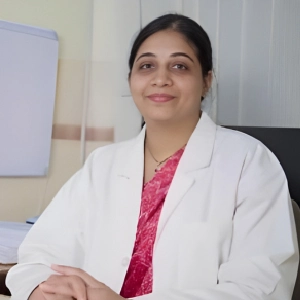
Haritha Thimmineni
Chalmeda Ananda Rao Institute of Medical Sciences, IndiaPresentation Title:
Role of FDG-PET in patients with Parkinson’s Disease and Post-DBS patients
Abstract
Background: Parkinson’s disease (PD) is a progressive neurodegenerative disorder characterized by motor and non-motor symptoms. Conventional clinical assessment has limitations in objectively evaluating disease progression and therapeutic effects. Fluorodeoxyglucose positron emission tomography (FDG-PET) provides functional imaging of cerebral glucose metabolism and may help in differentiating PD from atypical parkinsonism and assessing the impact of deep brain stimulation (DBS).
Objectives: To study patterns of cerebral metabolism in PD using FDG-PET, evaluate metabolic changes following bilateral subthalamic nucleus DBS, and compare metabolic patterns between PD and atypical parkinsonism.
Methods: This prospective observational study was conducted at a tertiary care center from January 2020 to January 2021. A total of 44 patients were included: 25 with PD fulfilling Movement Disorder Society criteria and 19 with atypical parkinsonism. Clinical assessment and FDG-PET brain imaging were performed. In patients who underwent DBS, metabolic patterns were analyzed in relation to stimulation status.
Results: FDG-PET demonstrated characteristic metabolic patterns in PD, including relative hypermetabolism in subcortical structures and hypometabolism in cortical regions. Distinct metabolic signatures enabled differentiation of atypical parkinsonism subtypes. Post-DBS patients showed altered metabolic activity in basal ganglia-thalamocortical circuits, suggesting modulation of neuronal networks.
Conclusion: FDG-PET is a valuable functional imaging tool for diagnosing parkinsonian syndromes, differentiating atypical variants, and evaluating metabolic effects of DBS, thereby enhancing understanding of disease mechanisms and therapeutic outcomes.
Biography
Haritha Thimmineni has completed her MD in General Medicine from CAIMS, Karimnagar, and DM in Neurology from Nizam’s Institute of Medical Sciences (NIMS), Hyderabad, India. She is currently working as an Associate Professor in Neurology at Chalmeda Anand Rao Institute of Medical Sciences (CAIMS), Karimnagar, India, and has over six years of clinical, academic, and research experience in the field of neurology.
Haritha has received national recognition for her academic excellence. She was honored with the prestigious Best Thesis Award under the “Outstanding Thesis Awards” category by the Movement Disorders Society of India (MDSI) at MDSICON’22, reflecting her significant contribution to research in movement disorders.
She has authored around ten research publications in reputed national and international journals. Her major areas of clinical and research interest include movement disorders, Parkinson’s disease, advanced neuroimaging, and epilepsy..

Organization Location
1309 Coffeen Avenue, STE 1200, Sheridan, Wyoming 82801, USA
General Enquiry
contact@scientexconferences.com
Finance Enquiry
finance@scientexconferences.com
Call us at
USA : (+1) 515 993-9155